Parents have a very practical question right now: what should you do before Kid Saving Account opens fully in 2026?
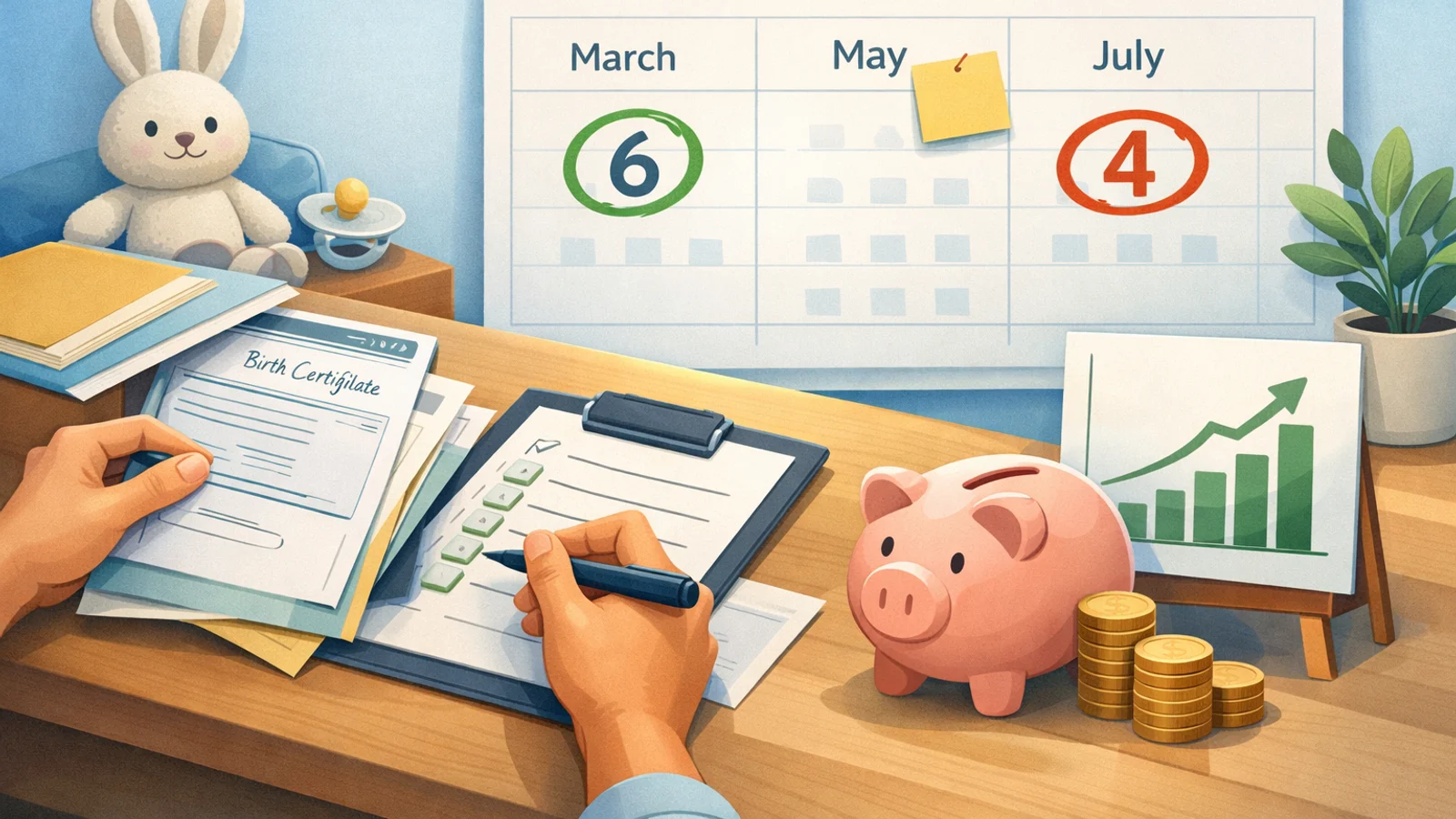
The short answer is: get organized now, watch for activation steps around May 2026, and understand that contributions are not scheduled to begin until July 4, 2026. Public guidance from Treasury and the IRS says contributions cannot be made before July 4, 2026, and activation information is expected to start going out around May 2026. (irs.gov)
For families, that means this spring is less about rushing money into an account and more about making sure you are ready when the process opens.
What parents are asking right now
Here are the biggest questions many families are trying to answer in March 2026:
1) Do I need to do anything before May 2026?
Probably yes, but mostly administrative tasks. Current public guidance points to an activation process beginning around May 2026 for people who made the required election, with Treasury or its agent expected to send instructions. (whitehouse.gov)
2) Can I contribute today?
No. Treasury and IRS guidance says no contributions can be made before July 4, 2026. That applies even if you already know your child is likely eligible. (irs.gov)
3) Will every child get the same benefit?
Not necessarily. Public reporting and official releases indicate that some children may qualify for a federal $1,000 seed deposit under the newborn-focused program, while other children may only be eligible for an account without that same federal starter amount. Some separate charitable funding has also been announced for certain groups of children, which is different from the federal contribution. (apnews.com)
4) Is this the same as a 529 plan or a custodial account?
No. This appears to be a different account structure with its own contribution rules, age rules, and withdrawal limits. It may be useful for some families, but it does not automatically replace other savings tools. Parents may still want to compare it with a 529 plan, Roth IRA rules where applicable, or custodial accounts based on their goals. (irs.gov)
What Kid Saving Account families should do now
Kid Saving Account is not a government agency, so the most useful role here is helping parents make a clean checklist.
Your March to July 2026 checklist
- Confirm your child’s documents are in order. Make sure names, birth dates, and Social Security information match official records.
- Watch for notices around May 2026. If you made or plan to make the required election, look carefully for activation instructions.
- Keep your mailing address current. If the process depends on mailed notices or identity checks, outdated contact information can slow things down.
- Set a contribution plan now. Even though money cannot go in until July 4, 2026, decide in advance whether you want to contribute monthly, quarterly, or only for birthdays and holidays. (irs.gov)
- Compare the account with your existing savings setup. If you already use a 529 or custodial account, think through whether this will be a primary account or just one part of your child’s long-term savings plan.
- Be careful with assumptions. Headlines often simplify the program. Eligibility, activation, and funding details may differ by child and by how the account is opened. (apnews.com)
A simple parent planning example
If your child may be eligible, your timeline could look like this:
- March 2026: Gather records and review current IRS and Treasury guidance.
- May 2026: Watch for activation instructions and complete any required authentication steps.
- July 4, 2026 or after: Make your first contribution if you decide the account fits your family’s plan. (irs.gov)
That kind of preparation is more useful than waiting until summer and trying to figure everything out at once.
Where parents may get tripped up
A few issues are causing confusion in current coverage:
- “Open” does not always mean “fund right now.” Some reporting discusses accounts being available in 2026, but the official IRS guidance is clear that contributions cannot start before July 4, 2026. (irs.gov)
- The $1,000 federal deposit is not a universal promise for every child. Eligibility rules matter. (apnews.com)
- Charitable gifts are separate from the federal program. Announced private donations should not be treated as automatic or guaranteed for every family. (chase.com)
- This is still a new rollout. Some operational details may continue to be clarified in guidance and implementation materials. The IRS has already said more regulations are coming. (irs.gov)
Bottom line for parents in March 2026
If you are following Kid Saving Account, the practical move right now is to prepare, not rush. The most important dates currently in public guidance are:
- Around May 2026: activation notices and authentication steps are expected to begin.
- July 4, 2026: contributions are scheduled to begin; not before. (irs.gov)
For most families, the best next step is to build a simple file with your child’s records, watch for official activation information, and decide ahead of time how this account would fit with the rest of your child savings plan.