Parents Are Asking About Kid Saving Accounts in March 2026: What’s Actually Changing and What to Do Now
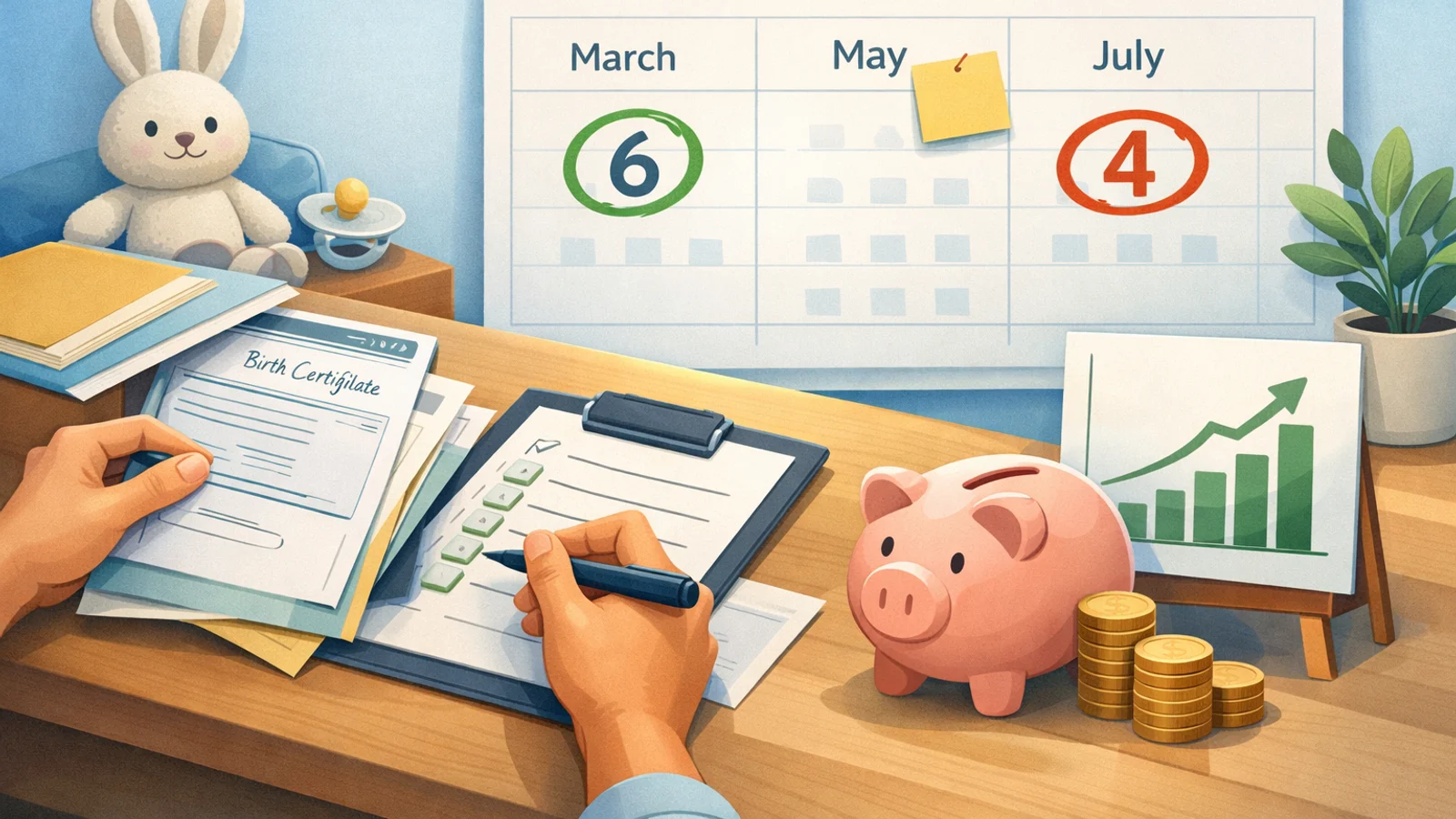
If you have heard about the new child savings account rollout and you are trying to separate headlines from the real timeline, here is the short version: account activation is expected to start around May 2026, and no contributions can be made before July 4, 2026. The IRS has already issued guidance tied to Form 4547, and public summaries of that guidance consistently point parents to those two dates. This article is a practical planning guide for families watching the 2026 rollout closely. (irs.gov)
The biggest parent question right now
The main question in March 2026 is not "Should I fund it today?" It is "What should I do before the account system opens?" That is because the public guidance says activation instructions are expected around May 2026, while funding and pilot deposits are not expected before July 4, 2026. In other words, this is a setup-and-watch period, not a contribution period yet. (calt.iastate.edu)
What appears to be true as of March 18, 2026
Based on IRS guidance and related public materials, parents should plan around these points:
- The account framework is already defined in IRS guidance. (irs.gov)
- Activation notices are expected starting in May 2026. (calt.iastate.edu)
- Contributions cannot begin before July 4, 2026. (irs.gov)
- A one-time $1,000 pilot contribution is described for eligible children born from January 1, 2025 through December 31, 2028, if the required election is made and other eligibility rules are met. (irs.gov)
- For 2026, other contributions during the growth period are generally subject to a $5,000 annual limit, with separate rules for certain employer or special contribution categories. (irs.gov)
What parents should do between now and May 2026
This is the useful part. If you want to be ready, focus on paperwork and decision-making now.
1. Confirm whether your child is likely in the eligible group
Public IRS guidance says the pilot contribution is tied to children born between January 1, 2025 and December 31, 2028, with citizenship and other filing-related requirements. If your child was born before January 1, 2025, you may still want to watch the broader account rules, but the pilot deposit rules are narrower. (irs.gov)
2. Watch for Form 4547 instructions
IRS materials indicate that Form 4547 is part of the opening and election process for 2026. If you file taxes yourself, ask your software provider or tax preparer whether they support it. If you use a CPA or enrolled agent, ask now how they plan to handle the filing and activation steps. (irs.gov)
3. Make sure names, Social Security numbers, and dependent records match
Small record issues can slow down any government-linked account setup. Before activation opens, check that your child’s legal name, SSN records, and tax dependent information are consistent across your tax return and household records. This is a practical inference from the identity verification and activation process described in IRS guidance and secondary summaries. (irs.gov)
4. Decide who in the family will handle activation
Guidance points to an "authorized individual" completing the opening process. For many households, that likely means a parent or legal guardian should decide in advance who will receive notices, complete identity checks, and save the account records. (irs.gov)
5. Build a contribution plan now, even though funding starts later
You cannot contribute before July 4, 2026, but you can still decide now how much you might want to set aside monthly once the window opens. That is especially helpful if grandparents or employers may also contribute, because contribution categories and limits may interact in ways families should track carefully. (irs.gov)
Questions parents are asking most
"Do I need to rush right now?"
No, not to fund the account. As of March 18, 2026, the practical next milestone is the expected activation process around May 2026, not immediate deposits. (calt.iastate.edu)
"Will money go in automatically?"
Not necessarily. IRS guidance describes an election process for the pilot contribution. Parents should assume they may need to complete forms or activation steps rather than assume everything happens automatically. (irs.gov)
"Can family members add money later?"
Public guidance indicates that accounts may accept contributions from multiple sources starting July 4, 2026, subject to the applicable rules and limits. (thehortongroup.com)
"What if my child was born before 2025?"
That is one of the biggest sources of confusion. Based on the public materials available now, the special $1,000 pilot contribution is for children born January 1, 2025 through December 31, 2028. Broader account availability may be wider than the pilot contribution group, so families should separate those two questions: Can an account be opened? and Is the child eligible for the pilot deposit? (irs.gov)
A simple March 2026 checklist for parents
Use this as your practical next-step list:
- Confirm your child’s birth date and likely eligibility category.
- Gather SSNs and recent tax return records.
- Ask your tax preparer about Form 4547.
- Decide which adult will handle activation.
- Set a reminder for May 2026 to watch for activation instructions.
- Set a second reminder for July 4, 2026 because that is the earliest contribution date in current guidance. (irs.gov)
Where Kid Saving Account fits in
Kid Saving Account can help parents stay organized around timelines, eligibility questions, and contribution planning. But it is important to keep the roles clear: Kid Saving Account is not a government agency, and parents should rely on official IRS and Treasury instructions for final filing, activation, and eligibility details. That said, families can still use a practical planning checklist now so they are not scrambling when the May 2026 notices begin. (irs.gov)
Bottom line
For parents following this rollout on March 18, 2026, the most useful takeaway is simple: prepare now, activate around May 2026 if instructed, and do not expect contributions before July 4, 2026. If your child may qualify for the pilot contribution, the best move today is getting your records, tax filing plan, and household responsibilities lined up early. (irs.gov)