What Parents Are Asking Right Now About Kid Saving Account in 2026
Parents are trying to sort out one practical question: what should we do now if a child savings account program is real, but contributions do not start until later in 2026?
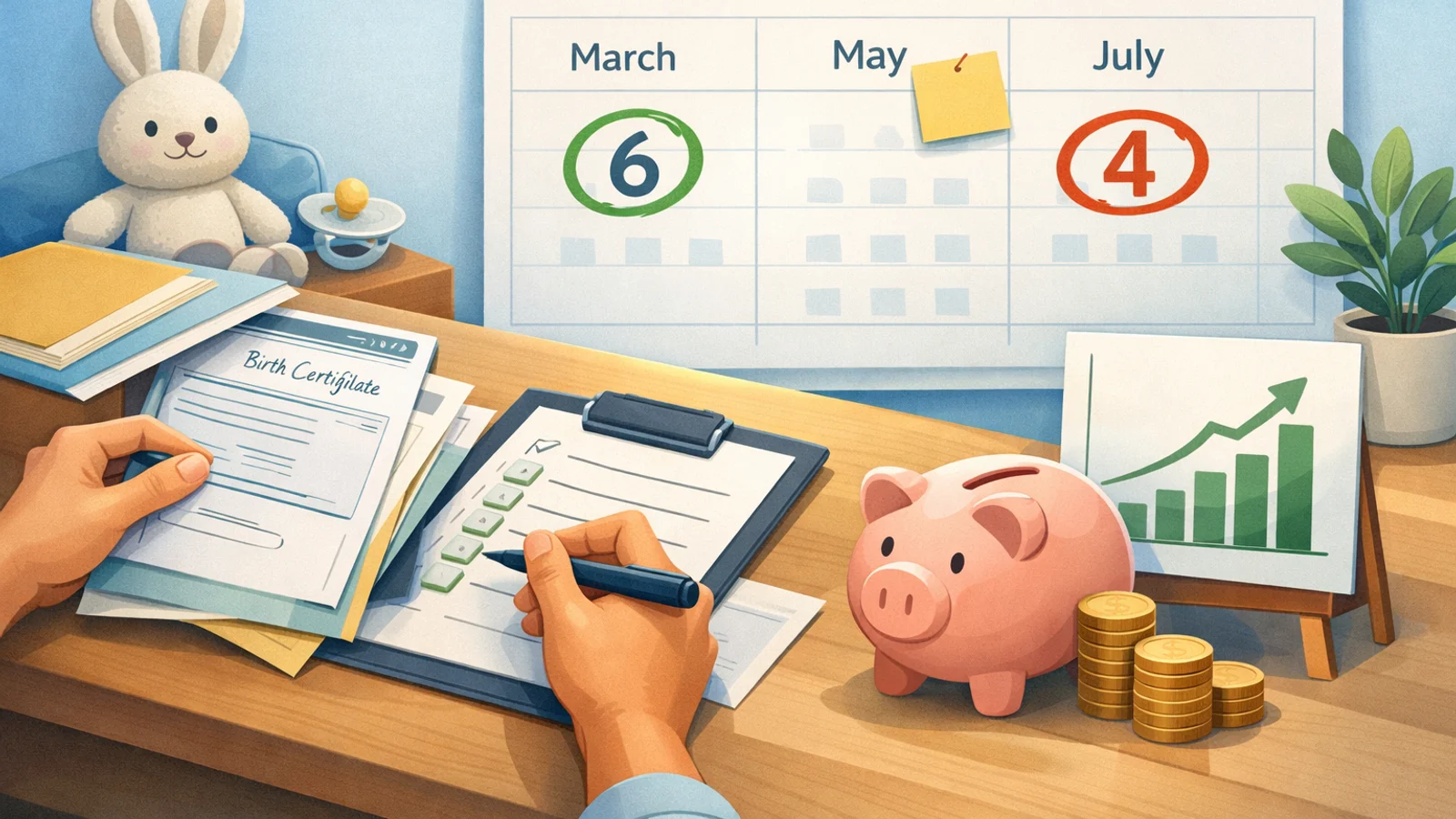
For families following this rollout, the clearest public timeline so far is:
- Activation notices are expected around May 2026
- Contributions are not allowed before July 4, 2026
- A federal pilot contribution is not expected to be deposited before July 4, 2026
Those dates come from current IRS guidance and related public reporting. (irs.gov)
Kid Saving Account is not a government agency. We are using current public information to help parents plan the next steps, compare options, and avoid common mistakes.
The big update for spring 2026
The most important development is that parents may need to complete an activation or setup step before money can actually flow later in the year. Public guidance points to an activation process beginning around May 2026, while contribution activity begins on July 4, 2026. (savingforcollege.com)
That means many families are in a waiting period right now on March 16, 2026:
- Learn whether their child appears eligible.
- Gather documents they may need.
- Watch for official setup or activation instructions.
- Make a contribution plan for summer and fall 2026.
Questions parents are comparing right now
1) Do we need to do anything before July 4, 2026?
Probably yes: prepare, verify eligibility, and watch for activation instructions. Even though contributions cannot begin before July 4, 2026, waiting until that date to get organized could slow things down. IRS materials indicate that for 2026 there may be an election or setup process tied to Form 4547 and an online tool or application. (irs.gov)
2) Can parents contribute now?
No. Current IRS guidance says contributions cannot be made before July 4, 2026. That applies broadly, including family contributions and the federal pilot contribution timing. (irs.gov)
3) Which children are getting the federal seed money?
Current IRS guidance says the one-time $1,000 pilot contribution is for an eligible child who is a U.S. citizen and born on or after January 1, 2025, through December 31, 2028, if the required election is made. Parents should verify the exact eligibility details from the official instructions when the activation process opens. (irs.gov)
4) How much can families add each year?
The current public guidance indicates a $5,000 annual contribution limit during the growth period for contributions that count toward the standard cap, with some contribution categories treated differently under the rules. Employer contributions can also have separate rules and limits. Families should read the exact instructions before assuming every dollar is counted the same way. (irs.gov)
5) Should we wait for this account, or keep saving elsewhere too?
For many parents, the practical answer is do both if your budget allows. If you already use a savings account, 529 plan, custodial account, or a simple monthly family savings routine, there is usually no reason to stop while waiting for a new 2026 rollout. This new account may become one part of a larger kid-saving plan, not the whole plan. That is a planning judgment, not a guarantee or a recommendation tailored to your taxes or legal situation.
A practical parent checklist for March through July 2026
Here is a simple way to prepare now.
March and April 2026
- Confirm your child’s full legal name, date of birth, and Social Security number records
- Make sure the parent or guardian who will handle setup has secure access to tax records
- Decide who in the family may want to contribute after July 4, 2026
- Set a target amount for the second half of 2026 instead of guessing later
Around May 2026
- Watch for activation notices or setup instructions
- Review any official portal, form, or identity-verification step carefully
- Save screenshots, confirmations, and account records in one folder
Starting July 4, 2026
- Confirm the account is active before sending money
- Double-check annual limits and source-of-funds rules
- Coordinate gifts from parents, grandparents, or others so you do not create confusion
- Keep a dated contribution log for your records
This timeline reflects the current public rollout described by IRS materials and related reporting. (irs.gov)
Common mistakes to avoid
Assuming the account is already funded
Even if a child appears eligible for a pilot contribution, current guidance says that contribution is not expected before July 4, 2026. (irs.gov)
Waiting too long to organize documents
If activation begins around May 2026, families who wait until July may face avoidable delays. That timing has been widely discussed in public guidance, even though operational details can still change. (savingforcollege.com)
Treating headlines as final instructions
News coverage can be useful, but parents should rely on the IRS and official program materials for final dates, limits, and eligibility rules. Current IRS guidance is the strongest public source on timing and structure so far. (irs.gov)
What Kid Saving Account thinks matters most for parents now
The smartest move in mid-March 2026 is not rushing to contribute early, because you cannot. The smarter move is to get ready before the window opens.
If you are comparing next steps, focus on these three questions:
- Is my child likely eligible based on birth date and citizenship rules?
- Am I ready for account activation around May 2026?
- What amount, if any, do I want to contribute starting July 4, 2026?
That kind of planning is simple, realistic, and useful whether you are saving $25 at a time or building a larger long-term family savings routine.
Bottom line
For parents watching this 2026 rollout, the key dates are concrete:
- March 16, 2026: planning period
- Around May 2026: expected activation notices or setup steps
- July 4, 2026: contributions may begin
Kid Saving Account can help families stay organized, compare questions that matter, and prepare for the timeline. But parents should still verify final operational details through official government sources when the activation process opens. That is especially important for eligibility, tax treatment, and contribution rules.